Can Dental Veneers Fix Chipped, Stained, or Uneven Teeth?
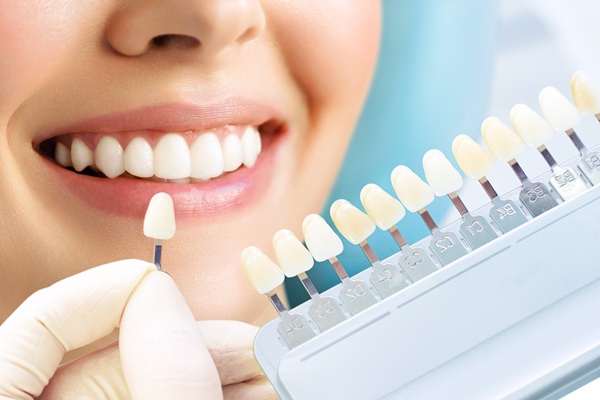
Many people feel self-conscious about cosmetic issues in their smile and want a straightforward fix. Fortunately, dental veneers provide an effective way to fix chipped, stained, or uneven teeth, allowing you to achieve a bright smile that boosts your confidence. When you understand how the treatment process works, it is much easier to decide whether these custom shells are the right choice for upgrading your smile.
What are dental veneers?
Dental veneers are thin, custom-made shells that a dental professional bonds to the front surface of teeth. The primary goal is to hide cosmetic issues and create a uniform look. Patients usually choose between porcelain and composite resin materials based on their budget and specific treatment goals. For those seeking a durable and long-term cosmetic solution, porcelain veneers resist stains and reflect light like natural enamel. Meanwhile, composite resin options require less tooth preparation and cost less; however, they do not last as long as porcelain.
Ideal candidates for dental veneers
Ideal candidates have healthy teeth and gums but want to address visual flaws such as chips, stains, gaps, or uneven edges. Good oral hygiene habits and realistic treatment goals help ensure a successful outcome. That said, patients with active gum disease, cavities, or deep decay need to receive treatment before the procedure begins.
The benefits of dental veneers
The choice to get dental veneers offers several perks that go beyond a simple cosmetic improvement. Dental veneers make it easy to fix multiple issues at the same time with one treatment plan. Some key advantages include:
- A natural look that blends with the rest of the smile
- Resistant to stains from coffee, tea, and wine
- Fast treatment timeline
- Durable results that can last a decade or more
- A conservative process compared to full-coverage crowns
The overall convenience of dental veneers makes this treatment an ideal option for those seeking a comprehensive smile makeover.
What issues can dental veneers address?
Chipped teeth
Minor chips and small fractures are among the most common cosmetic concerns treated with dental veneers. Rather than rebuilding only the damaged portion, a veneer covers the visible front surface of the tooth, creating a smooth and consistent appearance. This approach restores symmetry while protecting the affected area from additional wear. Small imperfections that may otherwise attract attention become virtually invisible after placement. However, severe fractures extending deep into the tooth may require alternative restorative procedures such as crowns.
Stained teeth
Certain types of discoloration respond well to professional teeth whitening treatments. However, intrinsic stains located within the tooth are often resistant to bleaching agents. These stains may result from medications, trauma, aging, or developmental conditions. Dental veneers provide an effective alternative by completely covering the visible discoloration.
Because porcelain veneers are stain-resistant, the patient can benefit from their improved appearance for many years with appropriate care and maintenance. Choosing the right shade allows the dentist to match the patient’s surrounding teeth or create a brighter, more uniform smile according to individual treatment goals. This flexibility makes veneers an appealing solution to tooth discoloration when whitening alone cannot achieve the desired result.
Uneven or misaligned teeth
Uneven teeth can result from natural variation, wear, small gaps, or minor alignment issues. Dental veneers create a more symmetrical appearance by adjusting the visible size, length, and contour of each treated tooth. Small spaces between teeth can be closed without orthodontic treatment, while slightly irregular tooth shapes become more proportionate. Dentists can also repair differences in tooth length to establish a balanced smile line.
It is important to recognize that veneers address cosmetic appearance rather than significant orthodontic problems. Moderate-to-severe bite issues or substantial crowding may require orthodontic treatment before the dentist recommends cosmetic treatment.
Caring for veneers for long-term results
Good home habits protect both the restorations and the natural teeth underneath. Patients should brush their teeth twice a day, floss daily, and attend regular dental checkups to keep their mouths healthy. Use a soft-bristled toothbrush and non-abrasive toothpaste to avoid scratches on the polished surface. Clean margins also help prevent decay that forms where the shell meets the real tooth.
Additionally, patients should maintain healthy habits after getting veneers. For example, they should not chew ice or bite their nails, as these actions put stress on the shells. People who clench or grind their teeth at night should wear a custom mouthguard to prevent cracks.
Schedule a consultation at our San Diego office
Dental veneers offer a long-lasting way to repair chipped, stained, or uneven teeth so you can show off your smile without hesitation. With a solid treatment plan and consistent dental care, your results can remain balanced and beautiful for many years. If you want to transform your teeth, call us at our San Diego office to learn more or schedule a consultation.
Request an appointment here: https://www.affinitydentalhillcrest.com or call Affinity Dental Hillcrest at (619) 592-8090 for an appointment in our San Diego office.
Check out what others are saying about our dental services on Yelp: Dental Veneers and Dental Laminates in San Diego, CA.
Related Posts
During a general dentistry appointment, your dentist will likely remind you about how you can keep your teeth healthy at home. While good oral health habits can seem like common knowledge, using the proper techniques and staying on top of them every day is important for your overall well-being.Keeping up with daily general dentistry care…
Permanent tooth loss can be devastating, affecting your appearance as well as your oral and overall health. Fortunately, dental implants give people the opportunity to fully restore their smile with a prosthetic replacement. There are many benefits to choosing dental implants to replace lost teeth, including: Lower risks for bone loss Natural-looking results Protection from…
If one or more teeth are damaged or missing, a practitioner of general dentistry may be able to perform a restoration that returns them to their original function. A general dentist can perform several different types of restorations, and the appropriate treatment depends on the severity of the case.Exposure to sugar and acids allows plaque…
The average dentist in the U.S. works in general dentistry. A general dentist works on the front lines of diagnostic and preventative care for patients of all ages. A checkup with a general dentist can result in the early detection of dental diseases, including gum disease. Patients who regularly set up dental appointments tend to…