4 Tips For Taking Care of Your Dental Crowns
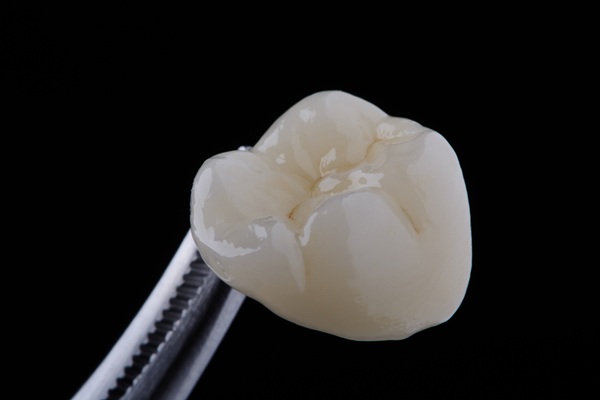
Dental crowns are a convenient and highly effective restoration solution when decay compromises natural teeth or a beautiful smile. Although these thin tooth caps are durable and can withstand the same exposure to everyday stresses of chewing and biting as natural teeth, proper care and maintenance can ensure that crowns last as long as possible.
What are dental crowns?
A crown is a prosthetic sleeve that a dentist secures over a natural tooth or implant using cement or a bonding adhesive. Crowns typically consist of metal, ceramic, porcelain, or a combination of metal and resin. Dentists may recommend crowns to support teeth with large fillings, repair and prevent fractures of natural teeth, hold bridges in place, cover misshapen and discolored teeth, and cover implant abutments. The first step toward installing a crown requires a dentist to prepare a natural tooth by removing decay and the tooth's outer layer to ensure a proper fit.
Good candidates for the procedure
Dental crowns are often recommended when a tooth has become seriously weakened or damaged from an injury or severe tooth decay. A dentist may perform the treatment on a patient who has:
- Chipped teeth
- Cracked teeth
- Teeth that are broken or crumbling
- Teeth that are structurally compromised from multiple fillings or cavities
To have a dental crown placed, the root must be healthy and there should be enough viable tooth structure above the gum line to support the new covering. Patients who have an infection in the soft dental tissues or who have very little natural tooth material left may need to seek alternative treatment options.
Technically, crowns can be placed on any tooth, but they are usually reserved for teeth towards the back of the mouth, particularly premolars and molars. People who have serious damage to the incisors or canines may want to opt for dental veneers or implants instead. Also, patients should generally be in good health and should not smoke, as this can discolor the crown and lead to continued oral health complications.
Do crowns require special care?
With proper care, dental crowns can potentially last decades. Dentists recommend these four tips to ensure that patients protect these prosthetics and the natural teeth beneath and around them.
1. Brush and floss twice daily
Unlike natural teeth, crowns are not susceptible to decay; however, plaque and bacteria that accumulate where a crown meets the gumline can reach the underlying natural tooth or spread to the jawbone and adjacent teeth. Brushing and flossing twice per day can remove plaque before it hardens, reducing the incidence of gum disease and tooth decay. In addition, dentists may recommend using non-abrasive toothpaste to avoid scratching crowns consisting of ceramic and porcelain and flossing carefully to avoid dislodging them.
2. Avoid sticky and hard foods
Dental patients can avoid the expense and inconvenience of replacing crowns by avoiding certain foods that can damage them. For example, candy, including toffee and caramel, can cling to crown material and dislodge it during chewing. Also, biting and chewing on hard candy, nuts, or bread can lead to cracks that allow bacteria to penetrate the underlying tooth and tissue. Therefore, eliminating certain foods that can damage dental crowns can positively impact oral health
3. Wear a nightguard
During sleep, bruxism, or tooth grinding and clenching, may cause significant pressure that compromises crowns and underlying teeth. Dentists who detect signs of this condition advise patients to wear a nightguard to absorb the excessive force on the teeth and jaw and avoid crown damage and bacterial infection that often accompanies it.
4. Schedule routine cleanings
Dentists instruct patients with crowns to schedule appointments for cleanings and checkups every six months. Professional cleanings are essential for removing stubborn tartar between the crown's edge and the gum line before it leads to gum disease. Regular dental visits also allow a dentist to check for changes to a crown's fit and apply necessary corrections before complications arise.
Conclusion
Dental crowns are a proven and routine treatment that dentists apply to restore oral function or create an attractive smile. The procedure can strengthen the natural tooth and prevent tooth loss while repairing damage from a traumatic injury or serious decay. With proper maintenance and care, patients can expect a crown's protective and smile-enhancing benefits to last for many years. Seeing a dentist twice a year is also important in improving the longevity of this dental work.
Request an appointment here: https://www.affinitydentalhillcrest.com or call Affinity Dental Hillcrest at (619) 592-8090 for an appointment in our San Diego office.
Check out what others are saying about our dental services on Yelp: Dental Crowns in San Diego, CA.
Related Posts
There are many ways to replace lost teeth, and dental bridges are an effective and long-lasting option for people looking to replace missing teeth. Bridges can help restore both the appearance and function of your smile. Learning about the basics, uses, and benefits of bridges can help you decide if they are the right choice…
During a general dentistry appointment, your dentist will likely remind you about how you can keep your teeth healthy at home. While good oral health habits can seem like common knowledge, using the proper techniques and staying on top of them every day is important for your overall well-being.Keeping up with daily general dentistry care…
Permanent tooth loss can be devastating, affecting your appearance as well as your oral and overall health. Fortunately, dental implants give people the opportunity to fully restore their smile with a prosthetic replacement. There are many benefits to choosing dental implants to replace lost teeth, including: Lower risks for bone loss Natural-looking results Protection from…
If one or more teeth are damaged or missing, a practitioner of general dentistry may be able to perform a restoration that returns them to their original function. A general dentist can perform several different types of restorations, and the appropriate treatment depends on the severity of the case.Exposure to sugar and acids allows plaque…